
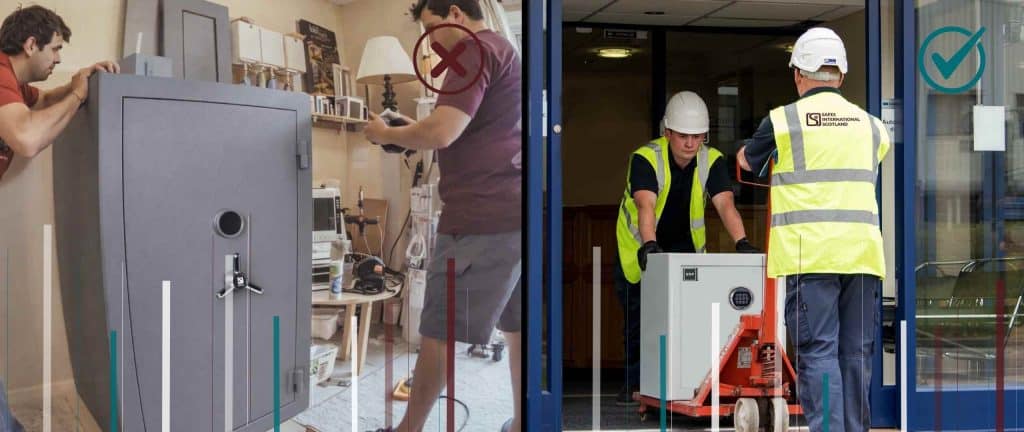
Can You Install a Safe Yourself? | Safe Installation Scotland Guide
If you are planning to buy a safe for your home or business, one of the most common questions is whether you can install it yourself or if professional installation is required. Installing a safe may look straightforward at first glance. Many buyers assume that once the safe is delivered, fixing it in place is simply a DIY task with a drill and a few bolts. In reality, safe installation is one of the most critical factors determining whether the safe actually protects your valuables — and whether your insurance provider will recognise it.
If you are researching safes in Scotland or the wider UK and deciding whether to install one yourself or use a professional service, this guide explains the real risks, insurance implications, and security considerations so you can make an informed buying decision.
What Does Safe Installation Actually Involve?
Safe installation is not just about placing a safe in a room. It involves:
- Assessing the structure of the building (concrete, timber, brick, blockwork)
- Selecting the correct fixing method (floor fixing, wall fixing, or both)
- Using approved anchor points specified by the safe manufacturer
- Ensuring the safe is concealed, level, and inaccessible to leverage attacks
- Meeting insurance and certification requirements
Incorrect installation can leave even a high-grade safe vulnerable to removal within minutes.
Can You Install a Safe Yourself?
Technically, yes — but that does not mean you should.
DIY installation is usually attempted when:
- Buyers want to reduce upfront costs
- The safe appears “small” or “light”
- Online sellers downplay installation requirements
However, most insurance-approved safes are designed to be professionally installed, especially for business use or higher cash and valuables cover.
The Security Risks of DIY Safe Installation
1. Incorrect Fixing Weakens the Safe
Safes are tested and certified only when installed correctly. Common DIY mistakes include:
- Fixing into weak flooring or plasterboard
- Using incorrect bolts or anchors
- Failing to tighten fixings to manufacturer torque requirements
A poorly fixed safe can be levered out entirely, even if the safe itself is certified.
2. Poor Placement Makes Theft Easier
Professional installers assess:
- Visibility
- Access to leverage tools
- Structural support
DIY installations often place safes in obvious or weak locations, such as wardrobes with timber floors or thin internal walls.
3. Fire and Flood Protection Can Be Compromised
Incorrect installation can:
- Break fire seals
- Leave gaps around the safe body
- Expose safes to heat transfer or water ingress
This defeats the purpose of buying a fire-resistant safe.
Insurance Implications You Must Know (UK & Scotland)
This is where DIY installation causes the most expensive problems.
Insurance providers often require:
- A certified safe
- Professional installation
- Fixing in line with manufacturer guidelines
- Evidence the safe cannot be removed easily
If a safe is:
- Not fixed correctly
- Installed without professional verification
- Installed in an unsuitable structure
👉 Your insurance claim may be reduced or rejected entirely.
Many insurers explicitly state that safes must be professionally installed for cover to apply, particularly for:
- Cash safes
- Business premises
- Jewellery and high-value items
When Is Professional Safe Installation Essential?
Insurers and security standards strongly recommend and in many cases require professional installation when you use an insurance-rated safe or install a safe in a commercial environment.
European security standards such as EN 1143-1 and EN 14450 state that safes must be securely anchored to the building structure in order to achieve their tested level of burglary resistance. This anchoring requirement is also recognised by insurance providers when assessing whether security conditions have been met.
If you install a safe without following the manufacturer’s fixing instructions or fail to anchor it securely to a suitable load-bearing structure, insurers may judge the security to be inadequate. As a result, they may reduce or refuse a claim after theft or an attempted removal.
For this reason, professional installation is particularly important if:
- The safe is insurance-rated
- The safe is being used to protect cash, jewellery, or high-value items
- The safe is installed in business or commercial premises
- You require documented confirmation that the safe has been installed correctly for insurance purposes
In commercial settings across Scotland and the wider UK, insurers and risk assessors often expect businesses to use professional installation to meet insurance and risk-assessment requirements, ensuring the safe is fixed correctly, securely, and in line with recognised standards.
How Professional Safe Installation Adds Value
Choosing professional installation is not just about compliance — it improves overall protection.
Benefits include:
- Correct fixing into load-bearing structures
- Compliance with EN and insurance standards
- Reduced risk of theft or removal
- Peace of mind for insurance claims
- Faster, cleaner, and safer installation
Professional installers also advise on optimal safe positioning, which many buyers overlook.
Is Professional Safe Installation Worth the Cost?
Many buyers focus on the initial installation cost, but the real question is:
What is the cost of a failed insurance claim or stolen safe?
Professional installation:
- Protects the value of your safe
- Protects the contents
- Protects your insurance cover
In most cases, the installation cost is a small fraction of the potential loss.
Safe Installation in Scotland: What to Look For
If you are buying a safe in Scotland, choose an installer who:
- Works with both domestic and commercial safes
- Understands UK insurance requirements
- Offers floor and wall fixing
- Covers your local area
- Has experience with certified safes
Safes International Scotland, for example, provides professional safe installation services across Scotland, ensuring safes are installed correctly, securely, and in line with insurance expectations.
Final Verdict: DIY or Professional Installation?
| Factor | DIY Installation | Professional Installation |
|---|---|---|
| Security | High risk | Maximum protection |
| Insurance compliance | Often invalid | Fully compliant |
| Theft resistance | Reduced | Optimised |
| Peace of mind | Low | High |
In almost all cases, professional safe installation is the safer, smarter, and more cost-effective choice.
Thinking of Buying a Safe?
Before purchasing, consider:
- What you are protecting
- Insurance requirements
- Installation method
- Long-term security, not just upfront cost
If you are searching for safe installation in Scotland or want advice before buying, speaking to a professional installer early can save you time, money, and risk later.
Get a free quote before buying a safe from our expert team. Also you can call us at 0141 554 1170 or fill out our contact form and our staff will get back to you as soon as possible.